

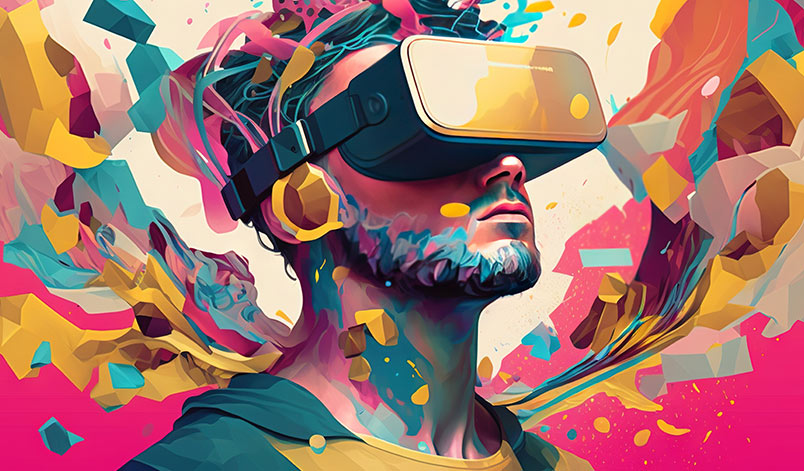
Art and technology, once seen as distinct domains, have converged in the modern age to form a powerful alliance that is transforming the world of creativity. This fusion has given rise to new forms of artistic expression, interactive experiences, and innovative mediums. In this blog, we’ll explore the fascinating relationship between art and technology, and how it is reshaping the landscape of contemporary art.
From Analog to Digital: The Technological Evolution
The journey of art and technology began with the advent of photography, which disrupted traditional portrait painting. However, the digital revolution marked a turning point, opening up a universe of possibilities for artists:
- Digital Art: Digital painting and illustration have flourished, allowing artists to create stunning works on digital canvases. Software like Adobe Photoshop and Corel Painter provide tools that mimic traditional mediums while offering new possibilities.
- Virtual Reality (VR) and Augmented Reality (AR): Artists are using VR and AR to create immersive experiences that transport viewers into alternate realities or enhance their perception of the physical world. Museums and galleries have adopted these technologies to offer interactive exhibitions.
- Generative Art: Algorithms and artificial intelligence are enabling the creation of generative art, where systems produce artworks based on predetermined rules or data input. The results are often surprising and thought-provoking.
Art in the Digital Age: Accessibility and Global Reach
The digital era has democratized art in unprecedented ways:
- Online Galleries: The internet has become a vast gallery space, allowing artists to showcase their work to a global audience. Platforms like Instagram, DeviantArt, and Behance have become hubs for artists to share and promote their creations.
- NFTs (Non-Fungible Tokens): NFTs have revolutionized the art market by providing a secure way to buy, sell, and authenticate digital art. This blockchain technology ensures artists receive royalties for resales of their work.
- Art Preservation: Technology aids in the preservation and restoration of artworks. High-resolution scans, 3D printing, and digital reconstructions help conserve cultural heritage for future generations.
Art as Social Commentary: Technology’s Role
Artists often use technology to comment on contemporary issues:
- Social Media Activism: Artists leverage social media to create art that raises awareness about social, political, and environmental issues. Their works become viral campaigns, sparking global conversations.
- Big Data Art: Some artists use big data and data visualization techniques to explore complex topics like climate change, social inequality, and surveillance.
- AI and Ethics: As AI generates art, questions arise about authorship, creativity, and ethics. Artists explore these questions in their work.
Collaborations and Interactive Experiences
Technology encourages collaborative efforts across disciplines:
- Interdisciplinary Collaborations: Artists team up with scientists, engineers, and researchers to create groundbreaking projects at the intersection of art and technology. These collaborations yield innovative outcomes, such as bioart and kinetic installations.
- Interactive Art Installations: Exhibitions often feature interactive art installations that engage viewers actively. Sensors, robotics, and responsive technologies enable art to come to life in response to audience participation.
Art and technology have forged a dynamic partnership that is reshaping the art world. This fusion has democratized art, expanded its reach, and empowered artists to explore new frontiers of creativity. As we continue to witness this creative revolution, the boundaries of art will expand further, challenging our perceptions and expanding the possibilities of human expression. The future promises even more exciting developments at the intersection of art an


Leave a Reply