

Customer Enquiries: sales@wilmagallery.com


A Creative Revolution
Art and technology, once seen as distinct domains, have converged in the modern age to form a powerful alliance that is transforming the world of creativity. This fusion has given rise to new forms of artistic expression, interactive experiences, and innovative mediums. In this blog, we’ll explore the fascinating relationship between art and technology, and how it is reshaping the landscape of contemporary art.
From Analog to Digital: The Technological Evolution
The journey of art and technology began with the advent of photography, which disrupted traditional portrait painting. However, the digital revolution marked a turning point, opening up a universe of possibilities for artists:
- Digital Art: Digital painting and illustration have flourished, allowing artists to create stunning works on digital canvases. Software like Adobe Photoshop and Corel Painter provide tools that mimic traditional mediums while offering new possibilities.
- Virtual Reality (VR) and Augmented Reality (AR): Artists are using VR and AR to create immersive experiences that transport viewers into alternate realities or enhance their perception of the physical world. Museums and galleries have adopted these technologies to offer interactive exhibitions.
- Generative Art: Algorithms and artificial intelligence are enabling the creation of generative art, where systems produce artworks based on predetermined rules or data input. The results are often surprising and thought-provoking.
Art in the Digital Age: Accessibility and Global Reach
The digital era has democratized art in unprecedented ways:
- Online Galleries: The internet has become a vast gallery space, allowing artists to showcase their work to a global audience. Platforms like Instagram, DeviantArt, and Behance have become hubs for artists to share and promote their creations.
- NFTs (Non-Fungible Tokens): NFTs have revolutionized the art market by providing a secure way to buy, sell, and authenticate digital art. This blockchain technology ensures artists receive royalties for resales of their work.
- Art Preservation: Technology aids in the preservation and restoration of artworks. High-resolution scans, 3D printing, and digital reconstructions help conserve cultural heritage for future generations.
Art as Social Commentary: Technology’s Role
Artists often use technology to comment on contemporary issues:
- Social Media Activism: Artists leverage social media to create art that raises awareness about social, political, and environmental issues. Their works become viral campaigns, sparking global conversations.
- Big Data Art: Some artists use big data and data visualization techniques to explore complex topics like climate change, social inequality, and surveillance.
- AI and Ethics: As AI generates art, questions arise about authorship, creativity, and ethics. Artists explore these questions in their work.
Collaborations and Interactive Experiences
Technology encourages collaborative efforts across disciplines:
- Interdisciplinary Collaborations: Artists team up with scientists, engineers, and researchers to create groundbreaking projects at the intersection of art and technology. These collaborations yield innovative outcomes, such as bioart and kinetic installations.
- Interactive Art Installations: Exhibitions often feature interactive art installations that engage viewers actively. Sensors, robotics, and responsive technologies enable art to come to life in response to audience participation.
Art and technology have forged a dynamic partnership that is reshaping the art world. This fusion has democratized art, expanded its reach, and empowered artists to explore new frontiers of creativity. As we continue to witness this creative revolution, the boundaries of art will expand further, challenging our perceptions and expanding the possibilities of human expression. The future promises even more exciting developments at the intersection of art an
Art has the power to transcend boundaries and enrich communities. One of the most impactful ways to harness this potential is through local art partnerships. These collaborations between artists, businesses, and organizations not only support the local art scene but also foster creativity, inspire innovation, and build stronger communities. In this blog, we’ll explore the significance of local art partnerships and their far-reaching benefits.
Fostering Creative Synergy
Local art partnerships are a testament to the belief that creativity knows no boundaries. When artists and local businesses or organizations join forces, they create a unique synergy that benefits everyone involved. Here’s how:
- Enhanced Public Spaces: Local artists can transform public spaces, such as parks, plazas, and buildings, into vibrant canvases that tell stories, evoke emotions, and inspire passersby.
- Brand Enrichment: For businesses, partnering with artists adds depth and character to their brand. Art installations and collaborations reflect a commitment to creativity and community engagement.
- Community Identity: Local art becomes an integral part of a community’s identity. It fosters a sense of pride and ownership among residents and visitors alike.
Local Art and Business Collaborations
Local businesses play a pivotal role in nurturing the arts within a community. These collaborations not only enrich the cultural landscape but also offer tangible benefits:
- Gallery Exhibitions: Restaurants, cafes, and shops can host art exhibitions, turning their spaces into dynamic galleries that showcase local talent.
- Art Installations: Incorporating local art into the interior design of businesses can create a distinctive atmosphere, drawing patrons and enhancing the overall customer experience.
- Supporting Emerging Artists: Local businesses can provide a platform for emerging artists to gain exposure and recognition, jump-starting their careers.
Community Organizations and Art Initiatives
Nonprofits, cultural organizations, and community groups also play a vital role in fostering local art partnerships:
- Public Art Projects: Collaborations with local governments can result in public art projects that beautify neighborhoods and promote cultural inclusivity.
- Art Education: Community organizations can offer art education programs, workshops, and classes that engage residents of all ages, encouraging artistic expression and skill development.
- Festivals and Events: Local art festivals and events bring the community together, celebrating creativity and showcasing the talents of local artists.
The Ripple Effect of Local Art Partnerships
The impact of local art partnerships extends beyond aesthetics and commerce. These collaborations create a ripple effect throughout the community:
- Economic Growth: The arts contribute to the local economy by attracting tourists, increasing property values, and generating revenue for businesses.
- Social Cohesion: Art fosters connections among diverse community members, breaking down barriers and promoting inclusivity.
- Inspiration and Innovation: Exposure to art encourages creativity and innovation, benefiting industries beyond the arts sector.
- Youth Empowerment: Art programs and initiatives empower young people to discover and cultivate their talents, offering opportunities for personal growth and skill development.
Local art partnerships are a testament to the transformative power of creativity and collaboration. When artists, businesses, and community organizations join forces, they enrich the cultural tapestry of a community, inspire innovation, and create a legacy of creativity for future generations. These partnerships are a celebration of the arts, a testament to community pride, and a source of inspiration that transcends boundaries, fostering vibrant, interconnected communities.
The world of art is a dynamic and ever-evolving realm, where creativity knows no bounds. Art is not just a reflection of the human experience; it also serves as a harbinger of cultural shifts and societal changes. In this blog, we’ll delve into the captivating world of art news and trends, encompassing the vibrant fields of paintings, photography, and illustrative art.
Paintings: Revisiting the Classics with a Modern Twist
Resurgence of Traditional Techniques: While the digital age has introduced new mediums and techniques, traditional painting methods are making a comeback. Artists are revisiting classical styles such as oil and watercolor painting, infusing them with contemporary themes and narratives.
Neo-Impressionism: Inspired by the Impressionist movement, neo-impressionism is gaining traction. Artists use small, distinct brushstrokes and a vibrant palette to create mesmerizing landscapes and scenes that capture fleeting moments in time.
Hyperrealism: Hyperrealism continues to astonish viewers with its incredible attention to detail. Artists in this genre produce works so lifelike that they appear to be high-resolution photographs.
Photography: Capturing Moments and Emotions
Minimalism in Photography: Minimalism is a dominant trend in contemporary photography. Photographers use simplicity, clean lines, and negative space to create striking compositions that convey powerful messages.
Documenting Social Change: Photography remains a potent tool for documenting social issues and change. Photojournalists and documentary photographers are shining a light on important topics like environmental conservation, social justice, and cultural heritage preservation.
Abstract and Conceptual Photography: Abstract and conceptual photography challenge our perception of reality. Through experimentation with light, form, and color, photographers create thought-provoking and visually stunning images.
Illustrative Art: A Fusion of Imagination and Skill
Digital Illustration: The rise of digital tools and platforms has fueled a resurgence in illustrative art. Digital illustrators are pushing the boundaries of creativity with their intricate and imaginative works.
Surrealism and Fantasy: Surrealism and fantasy art continue to enchant audiences with their dreamlike and otherworldly aesthetics. These genres provide artists with the freedom to explore the fantastical realms of their imaginations.
Urban and Street Art: Street art has evolved into a mainstream art form. It often serves as a platform for social commentary and self-expression, transforming public spaces into vibrant canvases.
Emerging Trends: NFTs and Virtual Galleries
Non-Fungible Tokens (NFTs): The art world is embracing blockchain technology with the rise of NFTs. These digital tokens represent ownership of unique digital artworks, creating new opportunities for artists and collectors.
Virtual Galleries and Exhibitions: The COVID-19 pandemic accelerated the shift toward virtual galleries and online exhibitions. These platforms offer accessibility and immersive experiences for art enthusiasts worldwide.
Art news and trends encompass a dynamic landscape where artists continue to push the boundaries of creativity and innovation. Whether through classical paintings, captivating photography, or imaginative illustrative art, the world of art offers a kaleidoscope of possibilities. As technology and societal changes continue to influence the art world, we can anticipate even more exciting developments on the horizon. So, keep your eyes on the canvas, lens, or screen, as art continues to captivate, inspire, and challenge our perceptions.
Elevating the Guest Experience from 4-Star to 5-Star
In the world of hospitality, creating a memorable and immersive guest experience is paramount. Beyond plush bedding and impeccable service, the ambiance and aesthetics of your hotel play a pivotal role in guest satisfaction. One often overlooked yet impactful element is artwork. The choice of artwork can significantly influence the perception of your hotel, making it crucial to select pieces that resonate with your target audience. In this blog, we’ll explore how to choose the right artwork for your hotel, whether you’re a 4-star establishment aiming to level up or a 5-star property aiming for perfection.
Know Your Guests:
Understanding your guests’ demographics, interests, and preferences is the foundation for selecting the right artwork. 4-star hotels often cater to a broader range of clientele, so opt for versatile, visually appealing pieces that appeal to a wide audience. On the other hand, 5-star hotels have more discerning guests who appreciate finer details, making it essential to curate a collection that exudes luxury and sophistication.
Reflect Your Brand:
Artwork should align with your hotel’s brand identity. For 4-star hotels, a contemporary and eclectic art collection can create a dynamic atmosphere. In contrast, 5-star hotels should opt for art that epitomizes opulence and exclusivity, with perhaps a theme that resonates with the hotel’s heritage or location.
Local Flavor:
4-star hotels can infuse local flavor by showcasing works from local artists or pieces that celebrate the destination’s culture. This personal touch can create a unique experience for guests. 5-star hotels can take this a step further by commissioning custom artwork or collaborating with renowned local artists for exclusive pieces.
Balance and Placement:
The arrangement and placement of artwork are vital. 4-star hotels can be creative with wall art, using it as a focal point in common areas and guest rooms. In 5-star hotels, artwork should be strategically placed to evoke a sense of grandeur and elegance. Consider large-scale installations in the lobby and exquisite pieces in suites.
Consistency and Quality:
Maintain consistency in your art selection. 4-star hotels can experiment with various styles and mediums but should ensure a cohesive feel throughout the property. 5-star hotels should prioritize museum-quality pieces that evoke a sense of timelessness and sophistication.
Art as an Experience:
In 5-star hotels, art can be more than just decoration; it can be an experience. Consider offering guided art tours, art-themed events, or partnerships with local galleries to enrich your guests’ stay.
The choice of artwork in your hotel is a powerful tool for shaping guest experiences. Whether you’re operating a 4-star establishment looking to upgrade or a 5-star property aiming for perfection, the right artwork can elevate your hotel’s ambiance and leave a lasting impression on guests.
By understanding your guests, reflecting your brand, embracing local culture, and focusing on quality, you can curate an art collection that transforms your hotel into a captivating and unforgettable destination. Remember, art is not just decoration; it’s a storytelling medium that enhances the overall guest experience, making it an investment well worth considering.
Jill Sanders, a renowned fine art landscape photographer hailing from Palos Verdes, California, has mastered the art of capturing the stillness and tranquility of nature through her lens. With a unique blend of painterly effects, light and shadow manipulation, and long exposure techniques, Jill’s photographs evoke a profound sense of peace and serenity in viewers.
Born with a passion for photography, Jill’s journey began in the vibrant streets of New York City during the late eighties and early nineties. It was there that she honed her skills and nurtured her artistic vision, eventually earning a BFA in Photography from Parson’s School of Design in 1991. However, her artistic exploration didn’t stop at the city limits; Jill embarked on extensive travels worldwide, seeking to broaden her social perspective and document the boundless beauty that our planet has to offer.
Jill Sanders’ Captivating Photography Pieces:
These captivating photography pieces by Jill Sanders are available as limited edition vibrant luminescent metal prints. Each artwork is meticulously crafted to enhance the visual impact and bring out the true essence of the captured scenes. Let’s delve into the details of these remarkable pieces:
1. ZEPHYR BLUE PERIOD
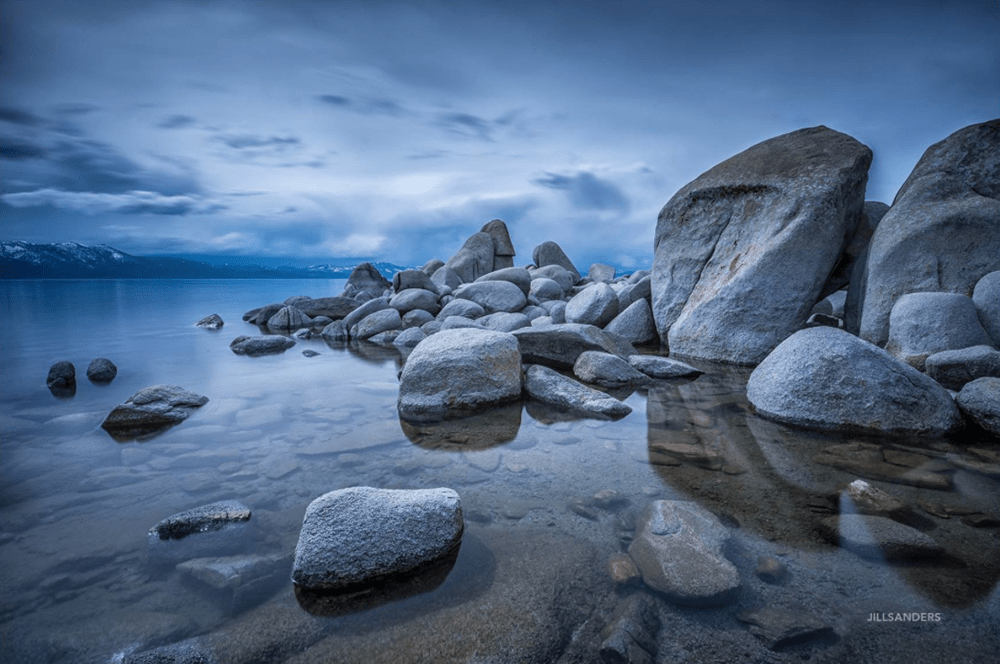
This artwork showcases a mesmerizing combination of serene blue shades and the presence of large pebble-shaped rocks resting undisturbed in still waters. The composition exudes a profound tranquility, inviting viewers to immerse themselves in the peaceful ambiance of the scene.
2. TUNNEL VIEW

In “Tunnel View,” Jill skillfully captures the majestic beauty of mountain landscapes. The image portrays a valley covered in a mystical mist, with trees emerging from the ethereal haze. This atmospheric effect adds a sense of mystery and awe, transporting viewers to a realm where nature’s grandeur unfolds.
3. THE BLUFF
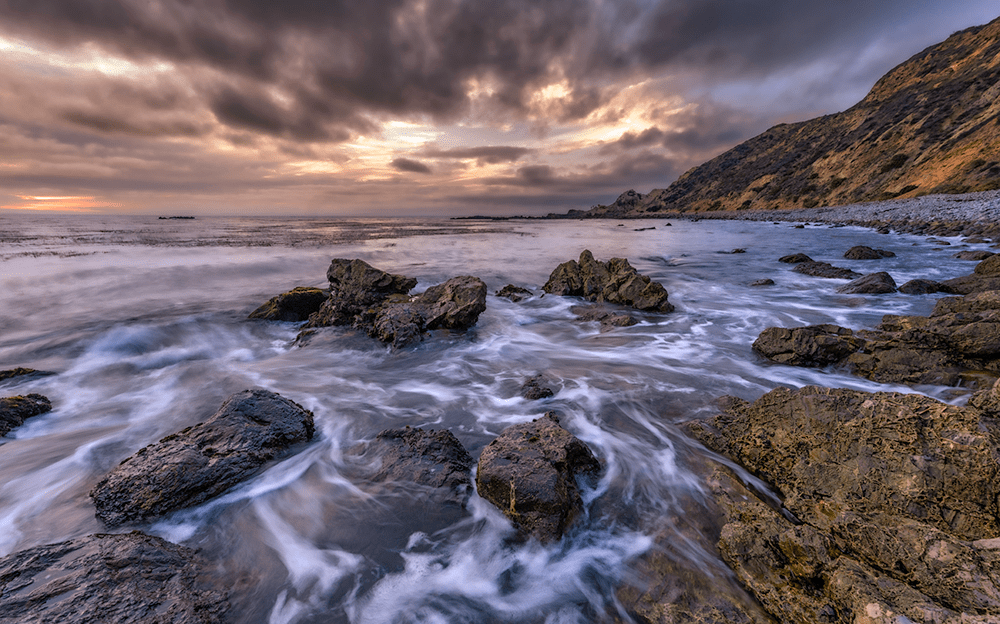
From a rocky vantage point, Jill captures an awe-inspiring ocean landscape in “The Bluff.” The composition showcases a moody sky, creating a captivating contrast against the rugged shoreline. This juxtaposition of elements evokes a sense of drama and invites viewers to contemplate the vastness and power of the sea.
4. BELIEVE
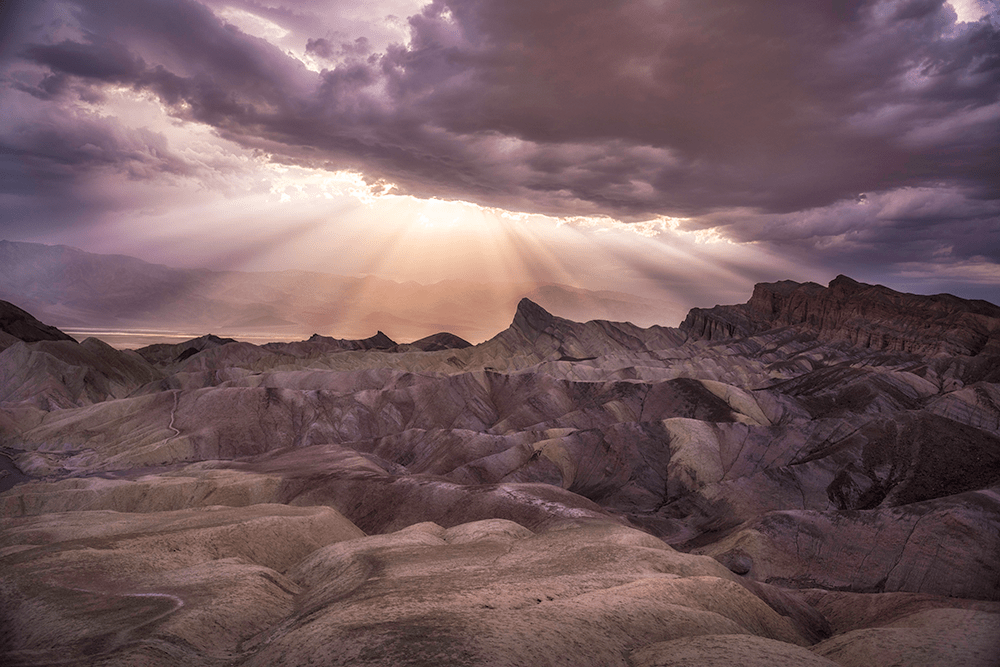
“Believe” presents a rocky terrain illuminated by a heavenly sky. Powerful sunbeams cascade down, illuminating the scene with a majestic glow. This artwork captures the harmonious interplay between the rugged landscape and the celestial light, inspiring viewers to believe in the transformative power of nature’s beauty.
Jill Sanders’ photography not only captures the external beauty of nature but also invites viewers to connect with their inner selves and find solace in the serenity of the natural world. Through her art, she reminds us of the profound impact that nature can have on our lives, urging us to cherish and protect the precious wonders that surround us.
You can explore more of Jill Sanders’ captivating photography pieces on her category page. Click here to visit her category page and immerse yourself in the beauty of nature through her lens.
Art history is akin to a time machine that transports us to different epochs and cultures. It’s a journey that unveils the evolution of artistic styles, techniques, and narratives. Through the study of art history, we can explore the intricacies of ancient civilizations, decipher the symbolism of Renaissance paintings, and marvel at the innovations of contemporary artists.
Art history provides context to the art we encounter, allowing us to appreciate the nuances, symbolism, and societal influences that shape each masterpiece. From the classical beauty of ancient Greek sculptures to the abstract expressionism of the 20th century, art history showcases the rich tapestry of human creativity.
The Role of Art Education
Art education is the bridge that connects individuals to the world of artistic expression. It’s not limited to aspiring artists but extends its benefits to students of all ages. Here’s why art education is invaluable:
- Cultivating Creativity: Art education nurtures creativity by encouraging students to explore, experiment, and think outside the box. It fosters innovation and problem-solving skills that can be applied in various aspects of life.
- Visual Literacy: In our increasingly visual world, the ability to analyze and interpret visual information is crucial. Art education enhances visual literacy, enabling individuals to understand and critique images, advertisements, and media more effectively.
- Cultural Awareness: Art education exposes students to the diversity of global cultures and histories. It promotes cross-cultural understanding by studying art from different regions and time periods.
- Expression and Communication: For many, art is a powerful means of self-expression. Art education provides a platform for individuals to convey their thoughts, emotions, and stories through various mediums, whether it’s painting, sculpture, photography, or digital art.
- Critical Thinking: Analyzing and interpreting art requires critical thinking. Art education hones this skill by encouraging students to question, analyze, and form their own interpretations.
- Lifelong Appreciation: Art education instills a lifelong appreciation for the arts. Even those who don’t pursue careers in art can continue to engage with and appreciate art in its various forms.
Preserving Cultural Heritage
Art history and education play a pivotal role in preserving our cultural heritage. They ensure that the artistic achievements of past generations are not lost to time. Museums, galleries, and educational institutions serve as custodians of our artistic legacy, safeguarding invaluable works of art for future generations.
By studying and promoting art history and education, we not only enrich our lives but also contribute to the preservation of our collective cultural identity.
Art history and education are the threads that weave our artistic heritage into the fabric of our modern lives. They help us understand our past, appreciate our present, and shape our future. So, whether you’re an aspiring artist, an art enthusiast, or simply curious about the beauty of human creativity, dive into the world of art history and education—where every brushstroke and sculpture carries the stories of generations past and the limitless possibilities of generations to come.


